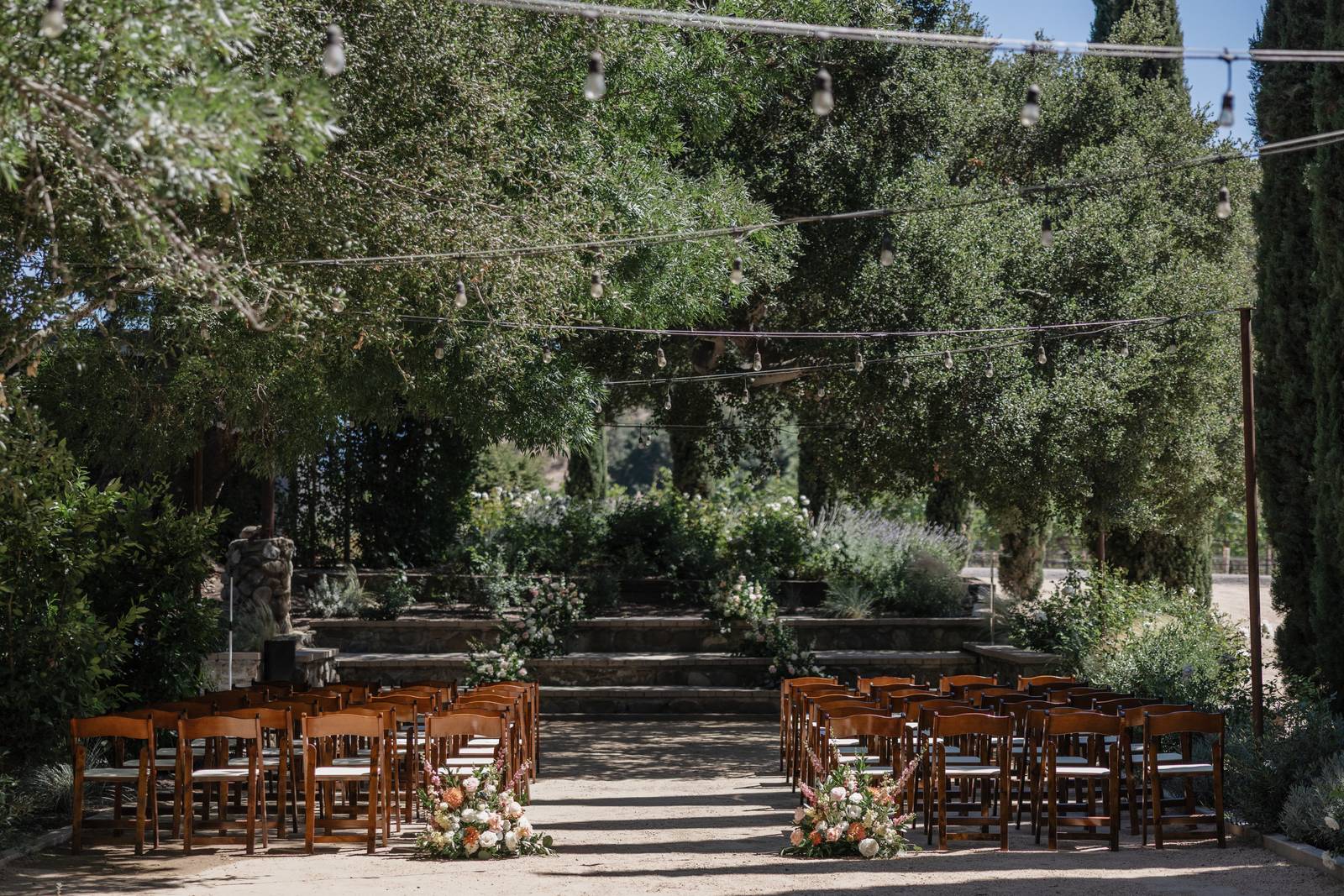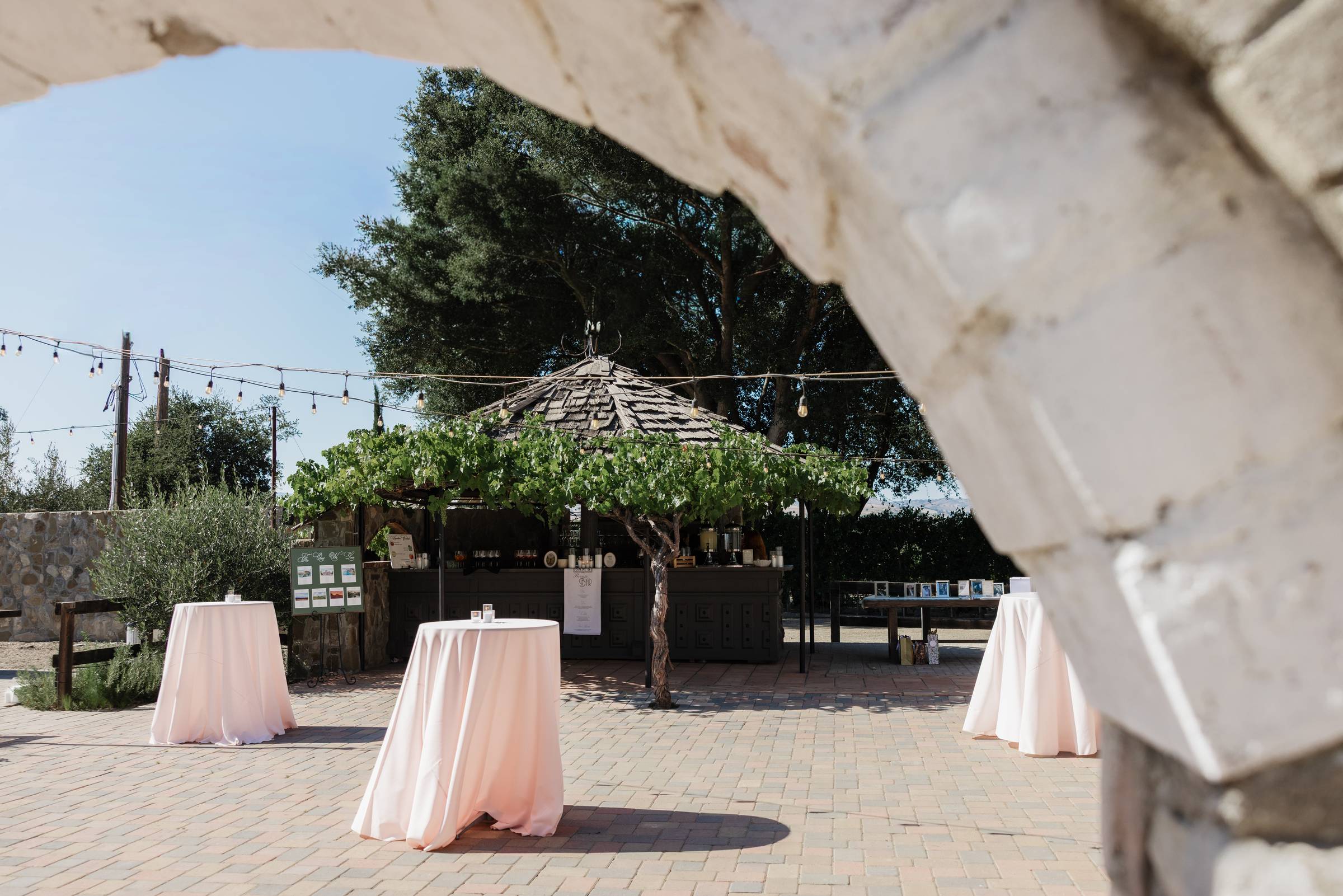
The difference between a wedding planner and a wedding coordinator comes down to when they join you and how much of the planning they carry. A planner guides the decisions that shape the wedding, from the budget and venue to the vendor team and design. A coordinator steps in once those decisions are made, to organize the final logistics and lead the day itself. Between the two sits partial planning, for couples who have made a start and want help finishing.
At Vela Event Design, those three levels are Full Planning, Partial Planning and Wedding Coordination. Here's what each one covers, where each one stops, and how to tell which one fits where you are right now.
The short answer
- Full Planning begins as soon as you book, ideally before you choose a venue. A planner guides your budget, venue search, vendor team, design and timeline, then leads the wedding day.
- Partial Planning typically begins around six months before the wedding, once your date and venue are set. We review what's in place, work through the remaining decisions with you and lead the day.
- Wedding Coordination begins 90 days before the wedding, once the planning is done. We take over the logistics, build the timeline with your vendors and lead the day.
All three include ceremony rehearsal direction and a lead coordinator on the wedding day. What changes is how much of the road we travel together before then.
What a wedding planner does
A full-service planner joins you for the first and biggest decisions: the budget, the venue and the vendor team. Early choices tend to set the terms for later ones. The venue settles your guest count, your season and a large share of the budget, and the budget frames every vendor conversation that follows. Having a planner beside you before those choices are made is the point of Full Planning.
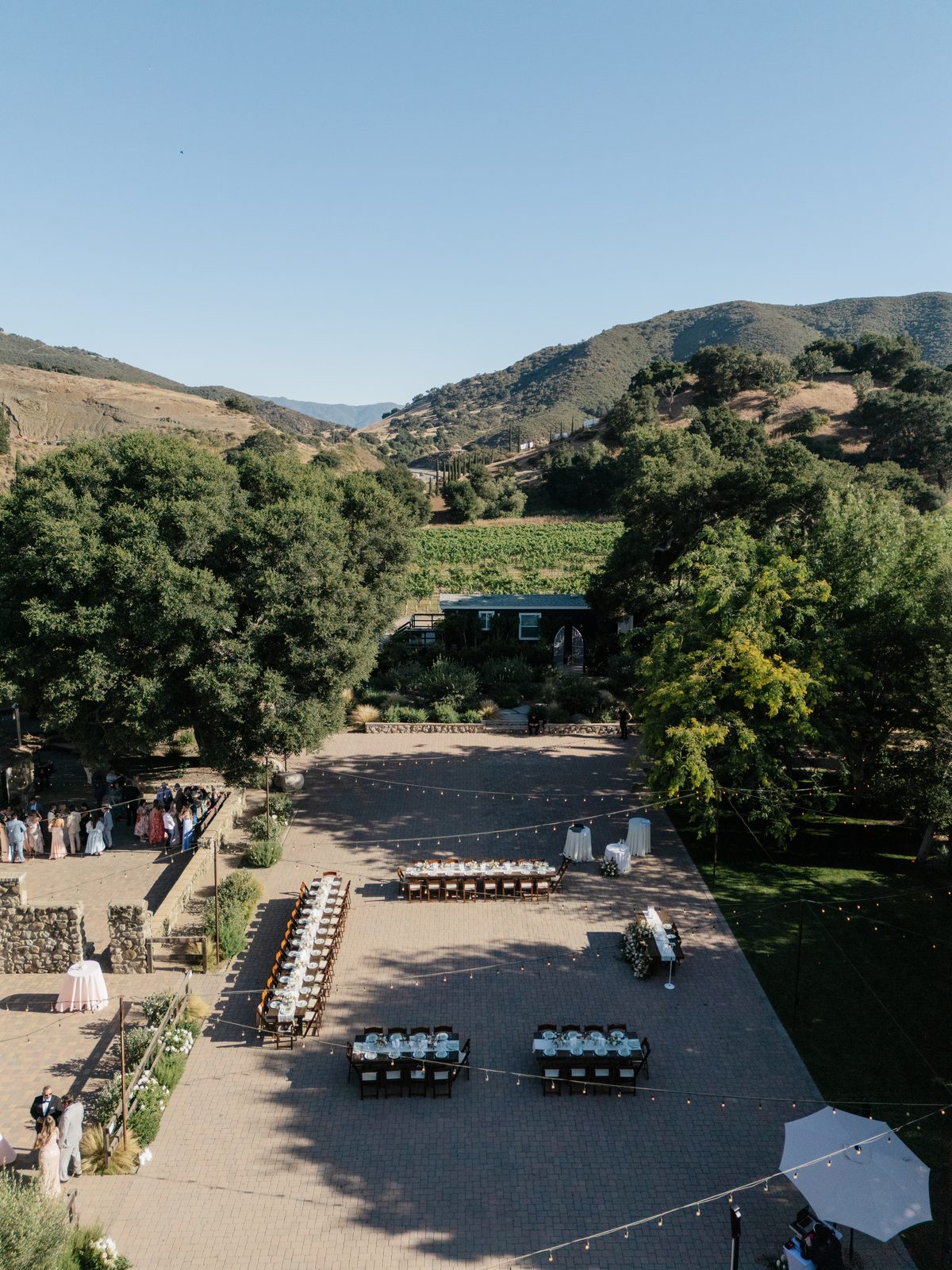
With Vela Event Design's Full Planning, that support includes:
- a vision and planning consultation to agree on your priorities
- budget analysis, including the costs to consider beyond a starting quote
- venue search and selection
- introductions to vendors whose work and care we trust
- ongoing planning management, so you know the next step at every stage
- a complete Event Design concept: palette, stationery, florals, rentals and tablescapes
- the wedding timeline, rehearsal direction and a lead coordinator on the day
When I walk a venue with a couple, I'm already thinking past the ceremony. How will guests move from the ceremony to cocktails? How will the reception feel once the sun goes down? If guests are traveling, how do lodging check-in times line up with a welcome dinner? Those questions are much easier to answer while you're still choosing spaces than after a contract is signed.
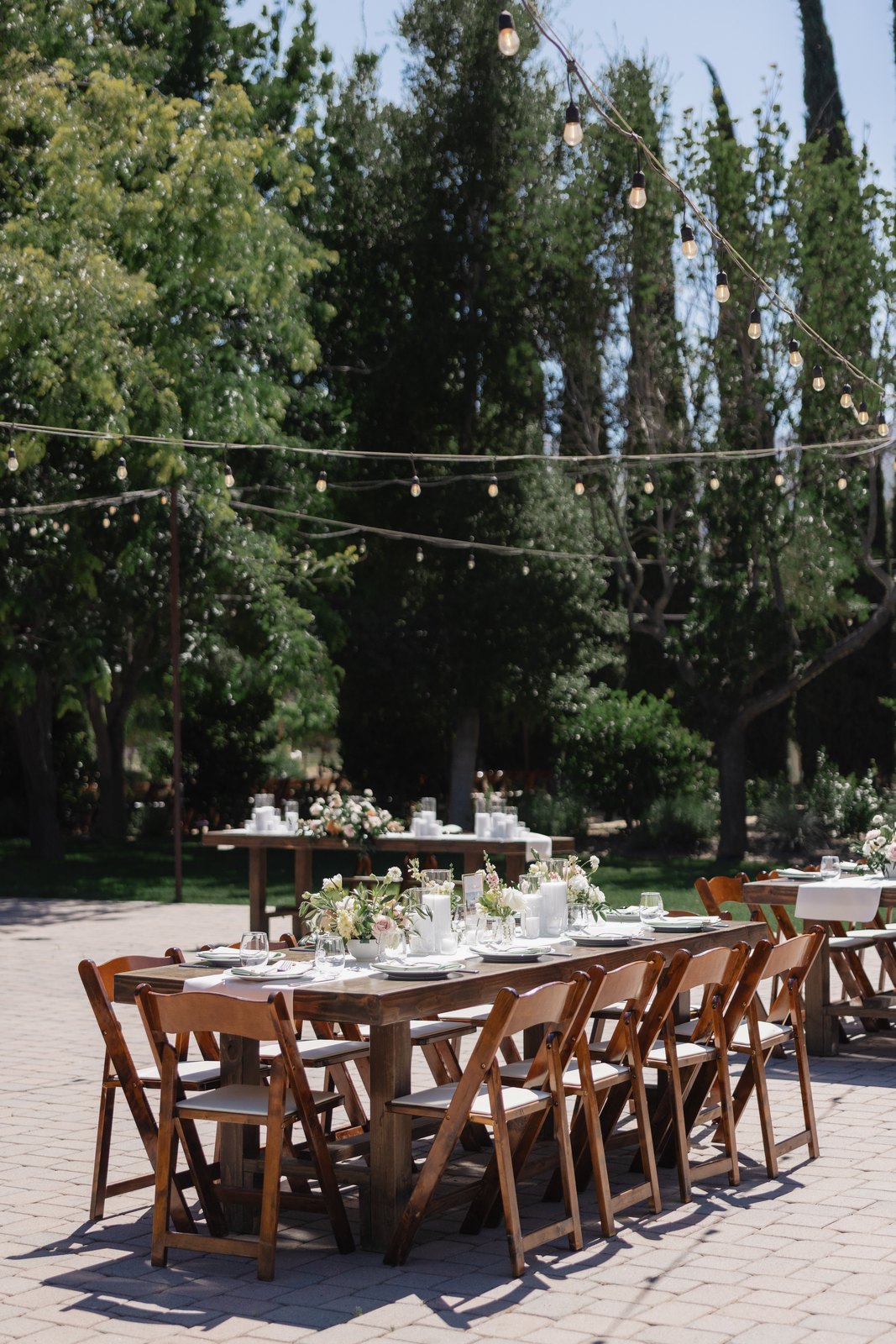
Full Planning tends to suit couples who are newly engaged and haven't booked a venue, couples with demanding schedules or planning from out of town, and couples hosting a welcome party, rehearsal dinner or farewell brunch around the wedding. In The Knot's 2026 Real Weddings Study of 10,474 U.S. couples married in 2025, couples reported hiring an average of 13 wedding professionals. A planner helps you choose that team and keeps it working from one plan.
Partial planning, for couples who have made a start
Partial planning is the middle path that often gets left out of the planner-versus-coordinator question. It's for couples who have booked the big pieces, usually the date, the venue and a few key vendors, and would like an experienced partner for everything still ahead.
Partial Planning begins with a review of your bookings and decisions so far. From there, we put the remaining work in a practical order and take it on together:
- recommendations for the vendors you still need
- design refinement and styling guidance that connects the selections you've already made
- the wedding timeline, a venue walkthrough and the floor plan
- final communication with your venue and vendors
- rehearsal direction and a lead coordinator on the day
Partial Planning includes design guidance rather than a complete custom concept. When you'd like the full creative direction, sourcing and styling, Event Design can be added.
What a wedding coordinator does
A coordinator's role is to take the wedding you've planned and carry it out. It's the service many couples mean when they search for a "day-of coordinator", though the work starts well before the day.
Vela Event Design's Wedding Coordination begins 90 days before the wedding with a planning handoff: a final details questionnaire that captures your arrangements, priorities and instructions. We review your vendors' timing and coverage for gaps or conflicting arrangements, build the timeline with your vendor team, confirm arrival times and contacts, walk the venue, guide the floor plan and direct the rehearsal. On the day, your coordinator oversees setup, serves as the central contact for your venue and vendors, and guides the ceremony and reception.
Coordination is built for couples whose main decisions are made. It doesn't include ongoing vendor sourcing, design or budget management, and Event Design isn't offered with it.
Two parts of the role often come as a surprise when I talk couples through it. The first is that a wedding coordinator isn't a decorator. Our focus is the timeline and the vendor team, keeping every arrival, cue and transition on track. We're happy to set out the place cards, menus, table numbers and signage you've prepared, but the décor itself belongs with your florist, rental company and design vendors. Leaving the styling to them is what lets us give the day our full attention.
The second is how much of our work happens before the ceremony begins. Our team makes sure the bride is ready to walk down the aisle, in the right place at the right moment and looking and feeling her best. While we take care of those final minutes, everyone else can take their seats and simply be present for the moment she appears.
Why the handoff matters
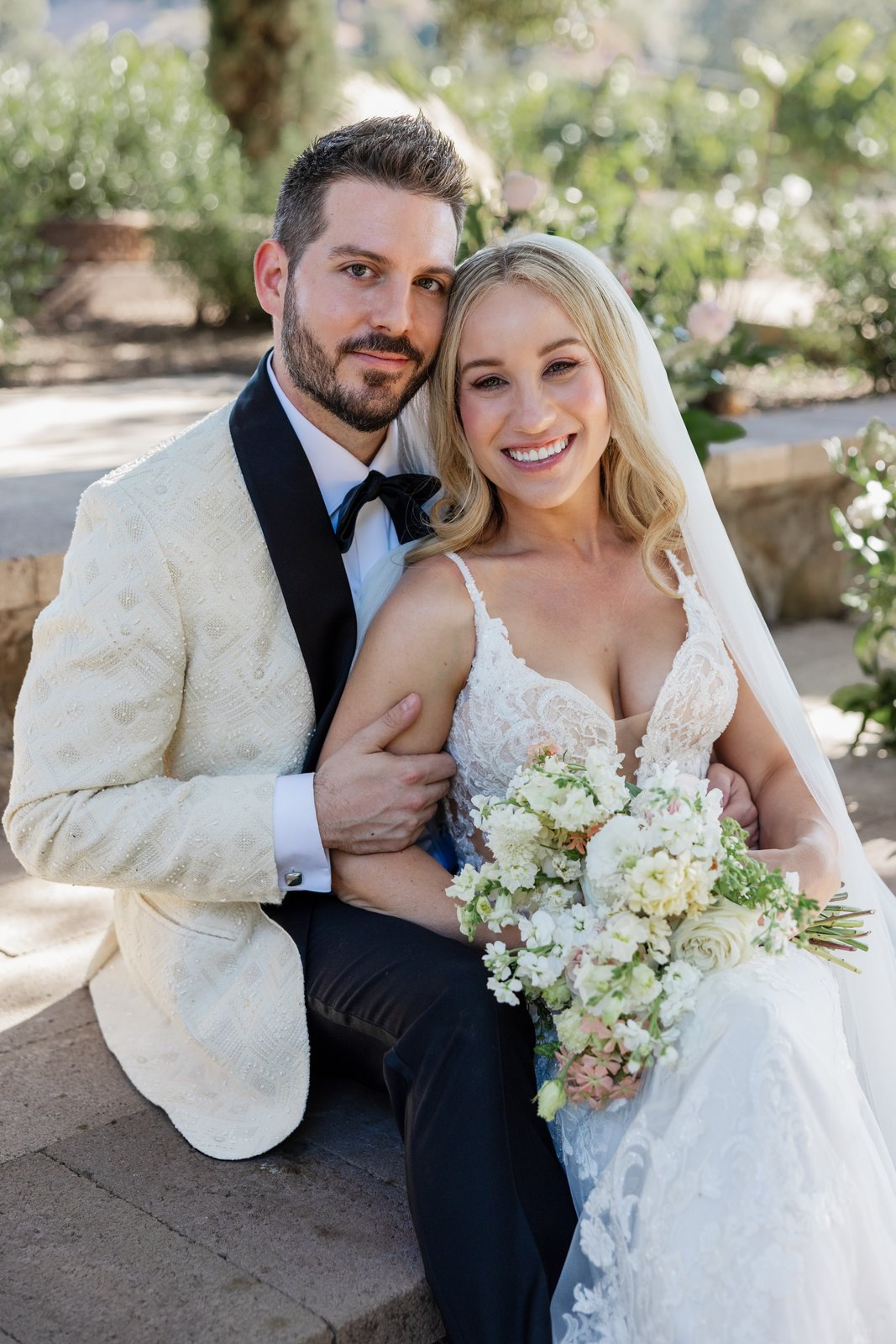
I know this one from the couple's side. I planned and designed my own wedding at Vega Vineyard & Farm, and I'd spent months thinking through how the day would unfold. When it arrived, I handed those plans to Events by Angela Monique. Knowing Angela and her team had the timeline and were fielding the questions meant I could spend the day with Kelan, our families and our friends instead of watching the clock.
That's the value of coordination. A detailed plan still needs someone to carry it out, and the best person for that has learned your plans in advance, so the questions that come up on the day can be answered without bringing each one back to you.
Your venue has a coordinator. Is that the same thing?
Often it isn't. A venue coordinator typically looks after the venue's own spaces, services and staff. Your full timeline, the vendors you've brought in and your personal details may fall outside that role. Some venue teams cover a great deal, so the clearest way to know is to ask, in writing:
- Who builds the wedding-day timeline, and who keeps it on track?
- Who is the contact for vendors the venue doesn't supply?
- Who cues the processional and the reception moments?
- When does their day begin and end, and are they there for setup?
Their answers will show you what's already covered and what still needs an owner.
How to choose: two questions
- Have you booked your venue? If not, Full Planning gives you guidance on the decision that shapes the rest.
- How much planning is still ahead? If your venue is set but you still have vendors to book and design decisions to make, Partial Planning fits. If your vendors are booked and the main decisions are made, Wedding Coordination is the match.
Whichever you choose, you stay as involved as you'd like. In Full Planning and Partial Planning, we're both a trusted guide and a partner, working alongside you so the wedding turns out the way you pictured it. What changes is how early we begin and how much of the work we carry together.
Why I recommend Full Planning when it's possible
When a couple asks where I'd start, my answer is Full Planning. Building the venue and vendor team together means we can recommend people we know and trust, whose work we've seen and whose way of working fits with ours.
Coordination shows why that matters. By the time a couple hands over their plans, their vendors are booked and paid for, and we're sometimes meeting them for the first time. Many are wonderful partners. Now and then, though, a vendor is slow to reply to our team or works in a way we wouldn't have chosen, and small details need extra follow-up to stay on track. A team that has worked together before shares the same habits and expectations, and that leaves far less to chance.
A note for parents
If you're helping to plan or pay for the wedding, these questions are worth talking through together. Whichever level of support the couple chooses, there's a lead coordinator on the day, so you can watch the vows and celebrate with your family rather than being the person vendors come looking for.
Finding the right fit
Not sure where you fall? You don't need the answer before you reach out. Helping each couple find the right fit is part of our first conversation. Tell me what you've booked so far and how much help you'd like, and I'll recommend the level of support that fits the planning ahead.
Vela Event Design. Serving Santa Barbara, Montecito, the Santa Ynez Valley, Ventura County & Westlake Village.